Undergraduate researchers recently presented dozens of artificial intelligence projects at a major summer symposium [1]. These presentations highlighted how structured academic programs are shifting technical training away from isolated coursework [2]. The emerging pattern shows that direct laboratory participation fundamentally changes how students approach machine learning challenges [1]. Traditional lecture formats struggle to convey the friction of real world data pipelines, making immersive lab environments essential for modern technical education.
How structured lab immersion accelerates technical proficiency
A six week paid initiative recruited forty undergraduates from multiple partner colleges to join active research groups [1]. Participants worked alongside thirteen mentors distributed across seven distinct laboratories [1]. The schedule replaced traditional lectures with daily technical sessions focused on iterative problem solving [1]. Learners rotated through teams spanning computer science, biomedical information technology, chemical engineering, and cognitive sciences [1]. This environment forces students to adapt rapidly to varying hardware constraints and software stacks [2]. Continuous feedback from postdoctoral associates compresses the debugging timeline significantly [1]. Students learn to troubleshoot pipeline failures in real time rather than waiting for weekly grading rubrics [2]. The intensity of daily lab attendance builds muscle memory for version control and experimental tracking [1]. Direct access to working prototypes transforms abstract algorithms into tangible deliverables [2].
Why cross domain collaboration improves model robustness
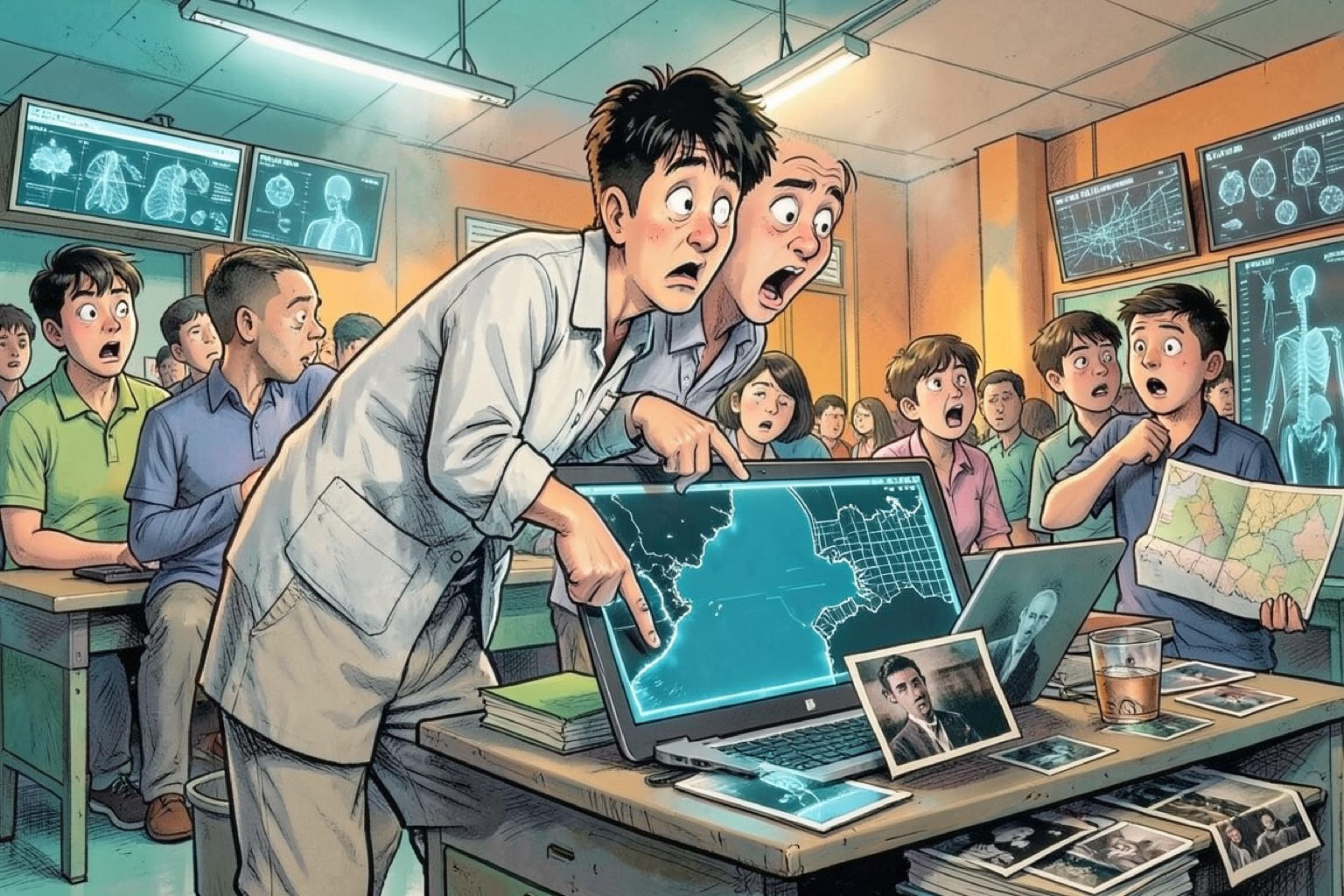
Teams blending engineering, health sciences, and humanities generate more resilient AI architectures [1]. Historical archivists paired with computer scientists to georeference nearly seven hundred black and white photographs [1]. They trained generative models to separate urban ground from open land across three coastal study areas [1]. The resulting analysis tracked urban cover expansion from 8.5 percent to 33.3 percent over eighty years [1]. Medical researchers applied random forest classification to low dose computed tomography scans [1]. Their method sorted cancerous nodules from harmless tissue 31.33 percent better than conventional screening protocols [1]. Urban planners scored over 83,000 city blocks to compare four alternative road routing strategies [1]. Each discipline introduced unique noise patterns that forced the underlying algorithms to generalize beyond clean benchmark datasets [2]. Cross polling these specialized knowledge bases reduces blind spots and prevents overfitting [1].
What governance frameworks shape responsible tool development
Technical execution requires explicit safeguards to prevent harmful public deployment [1]. Program organizers mandated daily seminars addressing AI safety, ethics, and protocol standards [1]. Speakers detailed industry initiatives designed to evaluate system limitations before scaling prototypes [1]. Students practiced documenting model assumptions alongside their code repositories to maintain audit trails [2]. Discussions emphasized how automated decisions impact vulnerable populations and critical infrastructure planning [1]. Learning to assess displacement risks when designing road networks taught students to weigh efficiency against social equity [1]. Building these safety checks into early development stages prevents costly redesigns later [2]. Responsible engineering becomes a routine workflow rather than a compliance afterthought [1].
Where to find comparable research pathways
Students seeking similar opportunities should prioritize programs that guarantee direct lab placement rather than observation roles [1]. Look for partnerships between research universities and community colleges that fund stipends and provide housing support [1]. Verify that mentorship structures include daily technical reviews and structured seminar tracks [2]. Applications typically require demonstrated coursework in mathematics or programming alongside a clear project proposal [1]. Reviewing past symposium portfolios reveals which institutions value interdisciplinary submissions [5]. Submitting materials through official university innovation portals ensures alignment with current funding cycles [4]. Explore available listings on institutional research websites to secure your next placement.
Sources
- Long Island Undergraduates Showcase Cutting-edge AI Research at Stony …
- Undergrads Showcase AI Research at REU Summer Symposium
- 40 undergraduate students from AI Innovation Institute’s AI Innovation …
- Stony Brook University - HOME | AI Innovation Institute
- Stony Brook University (via Public) / Undergrads Showcase Cutting-edge …